
A lot of people often reach out to us and ask how to recognize good photo restoration work. Well, the answer is you don't.
The ironic thing about good photo restoration is that the better the work the less you will be able to see it. The best work, therefore, is the one you can't see at all.
This leaves us with some kind of paradox. Good work is good because you can't see it. But how can we know then whether a photo restoration service provides good work or not?
The key to understanding the quality of work is to check whether one can see traces of restoration work. This is true for all kinds of photo restoration work. No matter if your image suffers bleaching, water damage, scratches, cracks or might even be torn apart.
How to spot bad photo restoration work
There are several indicators that allow you to spot bad photo restoration work. We will disclose the most important ones so you know what to look for when comparing different photo restoration services.
The reasons for bad photo restoration
Although all the indicators are related to different techniques in photo restoration they have one thing in common. Most restoration work is not necessarily bad because the professional is bad but because the time they spend on restoring the photograph isn't sufficient. Photo restoration professionals, in general, are all highly trained in their profession. this means most of them are capable to provide good and professional work. What makes the difference though is how much time they spend on your photograph. This is also the reason why good photo restoration work is relatively expensive.
Providing good work means working very precisely and adequately. This way alterations in the image appear natural and can't be spotted by the viewer's eye. This can only be done when the professional works on each damage in detail. Sometimes only altering a couple of pixels at a time. This is extremely time-consuming. But in the end what makes all the difference.
You can work on the same damage for two minutes or for three hours. The key is to find the right balance between the time you spend and the results you get. Keep this in mind when hiring a professional photo restoration service.
We at InstaRestoration always try to find the right balance so you get the best results for the best price.
It's as true as for any other service. You get what you pay for. If you're fine with a roughly restored photo you can go for the really cheap services but if you like to get everything restored to the tiniest pixel be prepared to pay hundreds of dollars. So before getting started think about what kind of accuracy you need and what you are willing to pay for it.
Indicators for bad photo restoration
Repetitive patterns
One of the most common indicators for bad work are repetitive patterns in the restored photo. This is because the stamping tool is the most common tool to work within professional photo restoration. Usually, it is being applied to repair scratches, cracks or other small missing parts in the photograph. What the tool does is, to copy a certain part of the image and fill the damaged area with this information.
When photo restoration is being performed under time pressure these stamps tend to cover larger areas of the image which often causes patterns to reappear all over the image.
This issue could have been easily resolved by working with a more defined and precise version of the stamping tool. However, this would have increased the effort and time for restoring the image tremendously.
Blurry Lines
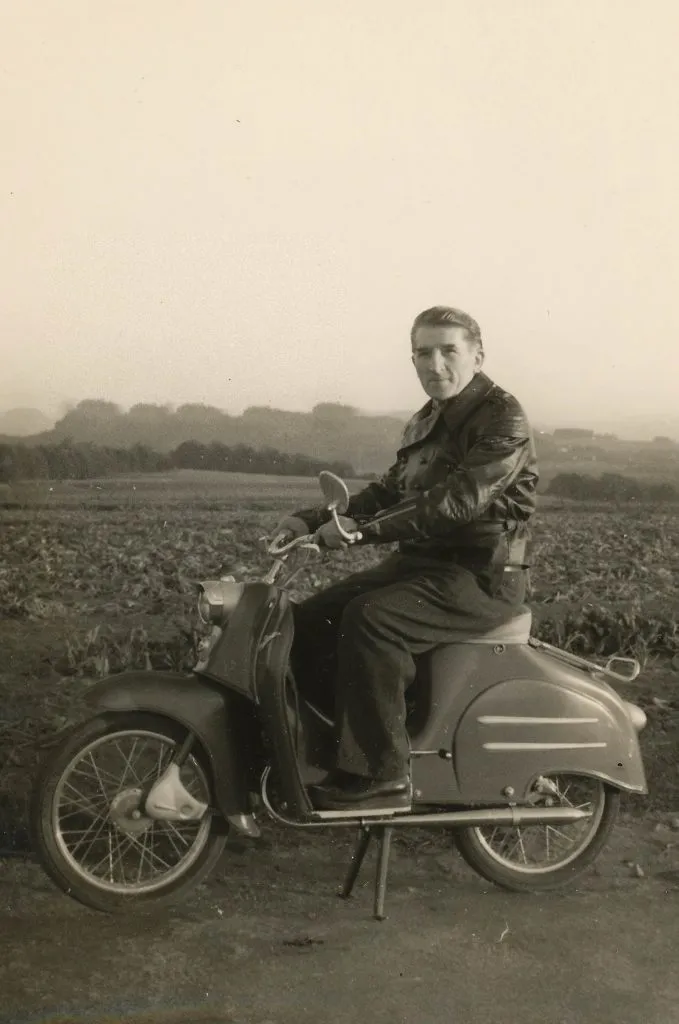
Blurry lines can often be traced back to using the "Spot Healing Brush". This tool is very often used for minor scratches and cracks within damaged photographs. The key to using this tool properly is to only apply it to very specific areas in the image. This means that even if you have a straight crack or scratch throughout the entire image it is necessary to apply the tool pixel per pixel, click per click. Otherwise, you will get a blurry line within the image. Again, this is very time-consuming.
Overall Blurry Images and Loss of Detail
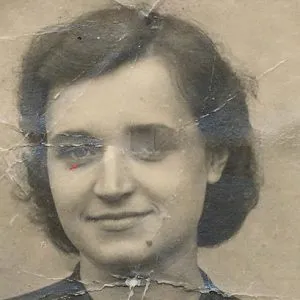
This is probably one of the most common issues with bad photo restoration. Most images have a variety of damages. Bigger damaged areas such as cracks, water damage or torn pieces have to be dealt with individually. Dust particles, small scratches or other minor abbreviations can be "restored" with a simple tool. This tool is very commonly used at cheap photo restoration services. By blurring the overall image these small damages get simply covered up. Using this tool can be useful for working in specific areas but should never be applied to a complete image as it results in a dramatic loss of sharpness and detail. Properly no other tool allows you to work that rapidly on an image but no other tool creates such irreversible damage to the intact areas of the photograph. It's like bandaging your whole body when you've simply cut your finger.
Spotted Exposure Correction
This kind of sloppy restoration work is mostly related to bleaching and tone correction work. Photographs suffering from bleaching or color shifting are for the most part not affected in all areas to the same degree. Usually, this kind of deterioration of the images starts from the outer parts of the image and slowly moves to the center. This means that each area has to be treated individually.
Bad photo restoration work treats the image with an overall correction of these damages. Usually, one correction layer is applied to all areas. At first glance, the image looks better than before but a more precise and detailed look at it will reveal its flaws in a couple of seconds.
Grain Structure – Inhomogenous Look
When the different tools of photo restoration are applied to damaged images the inherent pixel structure of the image gets alter. This often means that the original grain and look of a photograph changes. Very good photo restoration services have their means and ways to deal with these alterations. Often they apply different filters to create a new holistic and adequate look to the image which resembles the original as good as possible.
Sloppy Layer Masks
Good photo restoration is a combination of different tools and techniques. This always involves working on different layers within one image. These layers get blended into the image wherever they are needed. This blending is done by using layer masks, which define the area where a specific layer should be active or not. These transitions have to be created very carefully, as sloppy layer masks will ultimately reveal that there has been some restoration work going on.
Unique details
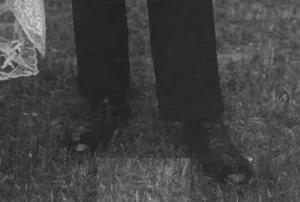
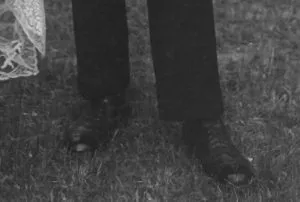
Features like eyebrows are unique to each person; careless restoration can flatten or duplicate them unnaturally.


Summary
There are a lot of different indicators of bad photo restoration work. Some of them can only be spotted in high res images some of them are immediately obvious. When judging the quality of a photo restoration service it is important to look at more than one image. Try to understand how they work in general. Do their restored images, in general, lose a lot of detail and sharpness compared to the original? Is their portfolio diverse or are they specialized in something?
Also, keep in mind that the website of a photo restoration service will only display their best work. Often their standard level of operation will not provide these results. Therefore don't get blinded by one or two breathtaking examples. A consistent and good output of work is way more important and better indicator for high-quality restoration work.
Are there other indicators?
Minimum Resolution
A key indicator here is whether they ask their clients to provide a minimum resolution of 300dpi. There are some black sheep out there who will work on whatever you send them. A good service will never touch photos with a resolution lower than 300dpi.
Pricing
Another key indicator is pricing. Good photo restoration always comes at a price. It is simply unrealistic and uneconomic to provide substantial and good restoration work at the price of a couple of dollars. Good work starts at around $20, depending on the damage.
Location
Always check where the photo restoration service is located. A lot of cheap photo restoration companies are located in India, Bangladesh or Sri Lanka. When the circumstances are right it obviously doesn't matter where someone is from. Nevertheless, the circumstances under which these companies often operate make it impossible to provide good work.
Overall Look
If the website looks professional and their content is up to date you can pretty much bet on the fact that the service is up and running, which means people use it and that it obviously provides good work.
Usability
How hard is it to upload an image or contact a professional? Do you understand what exactly they are offering? How transparent is their pricing policy?
Related Articles
- Debunked - 3 Myths about Photo Restoration — Common misconceptions about photo restoration.
- What is Photo Restoration? — The basics of digital photo restoration explained.